The first time you use a gooseneck kettle, the difference is almost silly. Water comes out in a thin, steady thread that goes exactly where you point it, instead of gushing out and flooding everything. For pour-over coffee especially, that control is the whole reason the kettle exists.
But there's a lot of marketing around these things, and the prices swing wildly. Some are simple pots you heat on the stove; others are electric gadgets with digital screens and hold-temperature buttons. Before you spend, it's worth knowing what actually helps your cup and what's just shiny.
What the gooseneck shape actually does#
The long, curved spout — the "gooseneck" — is the defining feature, and it's not decoration. A narrow, tapered spout slows the flow of water and smooths it into a single controlled stream. With a standard kitchen kettle, tilting even slightly sends out a wide, unpredictable pour that dumps water in one spot.
For brewing methods where you pour water by hand, that precision changes the result. Pour-over coffee depends on wetting the grounds evenly and pouring in slow, deliberate circles. A gooseneck lets you do exactly that. The same control helps when you're pouring gently over tea leaves or trying not to scorch something delicate.
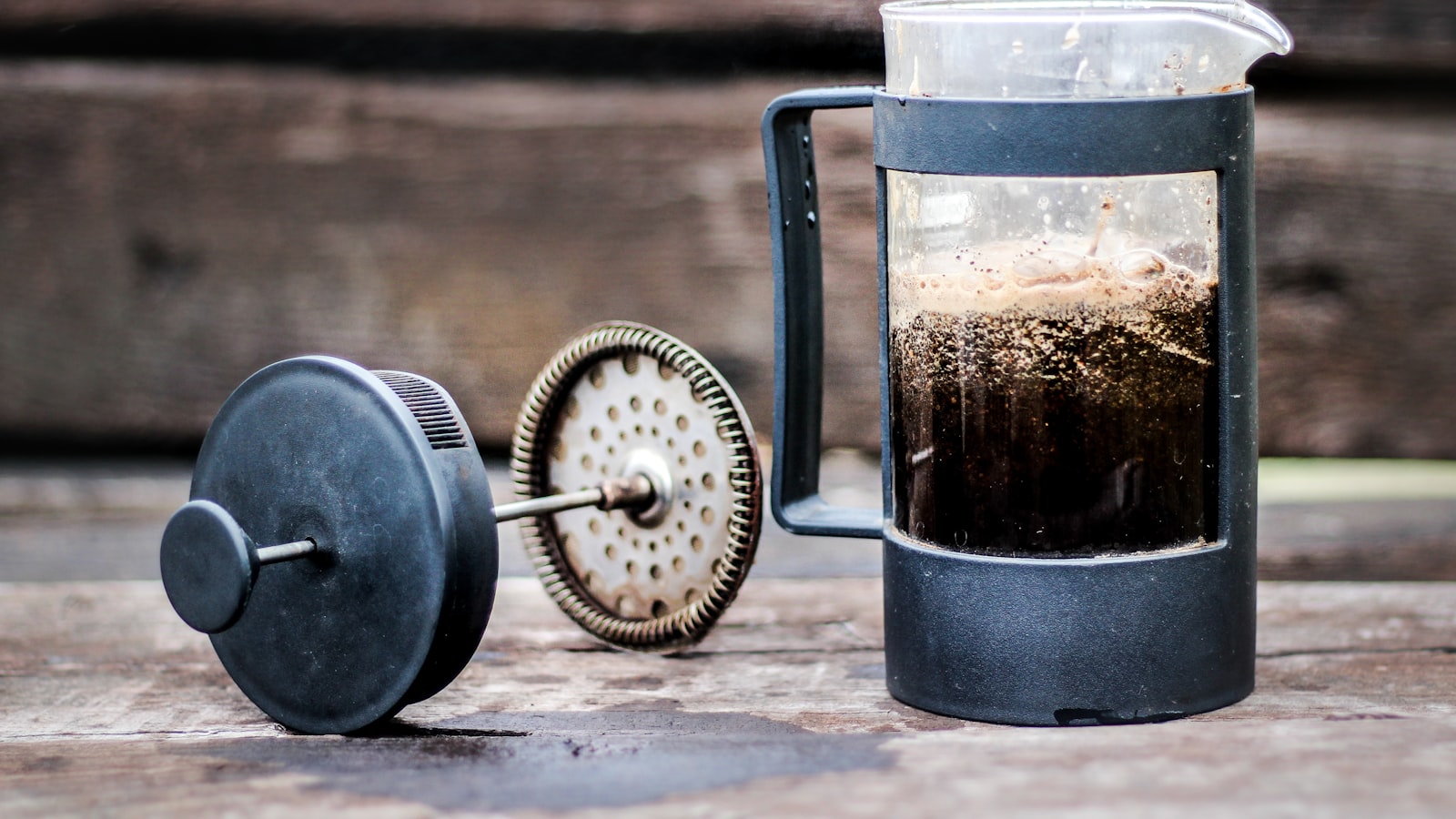
If you only ever brew with a French press or a drip machine, where you just fill a reservoir, the gooseneck matters far less. Be honest about your methods before you pay extra for a feature you won't use.
Here's the honest answer: no, not to make good coffee. You can brew a fine cup with any kettle that boils water. A gooseneck is a tool for a specific job — controlled, manual pouring — and it shines brightest for pour-over and hand-poured tea.
That said, if pour-over is your main method, a gooseneck is one of the most satisfying upgrades you can make. It turns a fiddly, splashy process into a calm one, and consistency in the pour means consistency in the cup. Think of it as a quality-of-life improvement that also happens to make your coffee more repeatable.
Ask yourself how you brew most mornings. If you pour water by hand over grounds, a gooseneck earns its place. If you fill a machine and walk away, spend the money elsewhere.
Stovetop or electric?#
Once you've decided you want one, the big split is stovetop versus electric.
A stovetop gooseneck is simply a kettle with the special spout. It's cheaper, has nothing to break, and lasts more or less forever. The downsides: you heat it on your hob, you guess at the temperature unless you add a thermometer, and it won't hold heat once you take it off. For many people, that's perfectly fine.
An electric gooseneck plugs in and heats water on its own base, usually faster than a stovetop. The better ones let you set an exact temperature and hold it, which is genuinely useful. They cost more, take up a plug and some counter space, and have electronics that can eventually fail. But the convenience keeps them in daily use, and the temperature control removes a lot of guesswork.
Neither is wrong. If you're on a tight budget or love simple tools, stovetop is great. If you brew every day and want repeatable results with no fuss, electric usually wins.
Why temperature control matters#
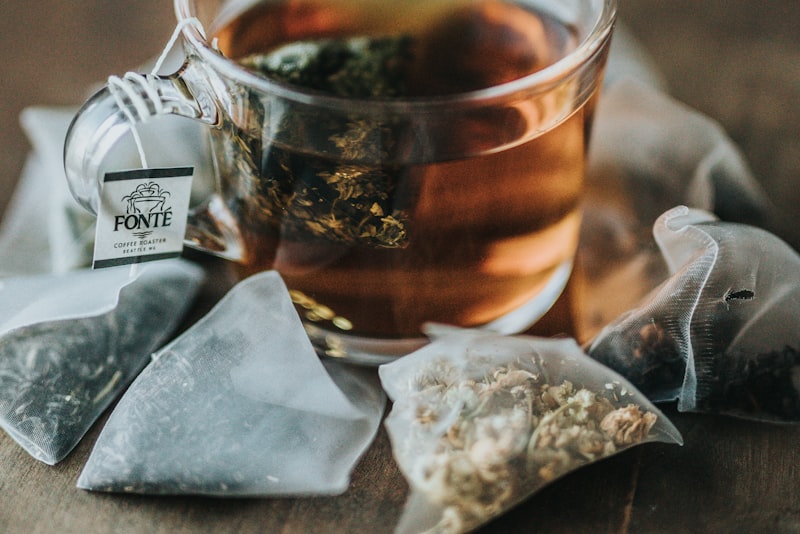
Water temperature quietly shapes flavor. Too hot and coffee turns bitter and harsh; a touch cooler and it can taste sweeter and more balanced. Tea is even fussier — green and white teas can turn unpleasantly astringent if you pour boiling water straight over them, while black teas and most coffee want water just off the boil.
A variable-temperature electric kettle lets you dial in the right number and forget about it. Without one, you have a couple of options: use a separate thermometer, or use the old trick of boiling the water and letting it sit for a short while to cool before pouring. Both work. But if you brew a range of teas or like to experiment with your coffee, built-in temperature control saves real hassle over time. It's the feature most worth paying for, more so than any digital display or app.
It also removes a variable you'd otherwise be guessing at. Coffee brewed at a repeatable temperature tastes more consistent day to day, which makes it easier to tell whether a change you made — a different grind, a new bag of beans — actually helped. Without temperature control you're never quite sure if a cup was better because of what you changed or because the water happened to be a little cooler that morning. Locking one variable in place lets you learn from the others.
Spout, handle, and the details that matter#
Beyond the big decisions, a few smaller things separate a kettle you love from one you tolerate. When you're comparing models, look at:
- Spout design: a finer, well-shaped tip gives a slower, more controllable stream
- Flow at a slight tilt: some kettles pour too fast even when barely tipped
- Handle balance: a full kettle should feel steady, not front-heavy
- Capacity: enough for your usual brew, but not so large it's clumsy to control
- Build quality: stainless steel inside is easy to clean and won't hold odd flavors
You won't judge all of this from a product photo, so read a few honest reviews and note what people say about the pour itself. A beautiful kettle that gushes water is worse than a plain one that pours like a dream.
Capacity deserves a second thought as well. A larger kettle means fewer refills when you brew for a group, but a full, heavy kettle is harder to pour slowly and precisely — the very thing a gooseneck exists to help with. For one or two cups at a time, a smaller kettle is easier to control and quicker to heat. Buy for the brewing you do most mornings, not the occasional crowd.
Fitting the kettle into your setup#
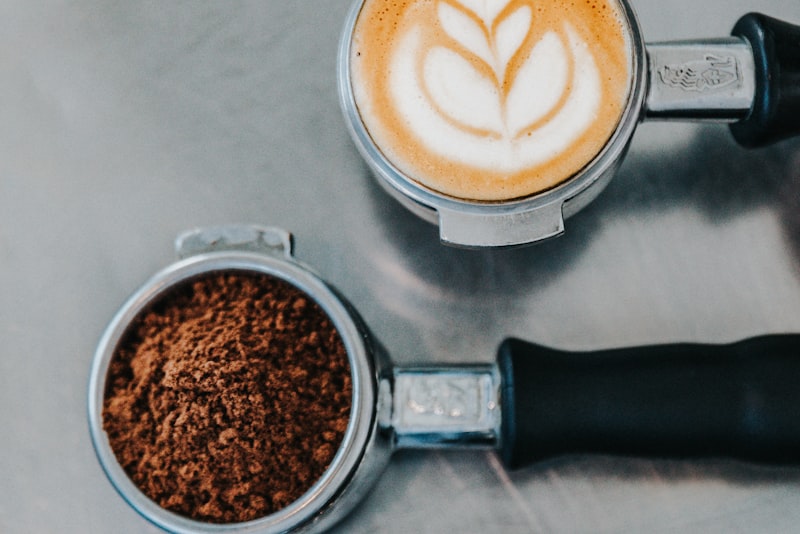
A kettle rarely works alone. If you're pouring by hand, the quality of your grind matters just as much as the pour, so a controlled kettle pairs naturally with a decent coffee grinder — the two together are what make pour-over consistent. And if you're still assembling your gear, it's worth planning the kettle alongside everything else rather than buying piece by piece. Seeing how it fits into a full budget setup helps you spend where it counts and skip what you don't need yet.
Pour with intent#
A gooseneck kettle is a small tool that quietly improves a specific ritual. It won't fix stale beans or a bad grind, but for anyone who pours by hand it turns a messy step into a controlled, almost meditative one. Decide whether your brewing actually calls for one, choose stovetop or electric to match your mornings, and put your money toward temperature control over gadgetry. Get that right, and every slow, deliberate pour will taste a little more like you meant it to.