There's a myth that good home coffee requires a wall of gleaming equipment and a serious dent in your savings. It doesn't. Some of the best cups I've had came from a plastic dripper and a hand grinder that together cost less than a week of café visits. What matters far more than the price of your gear is what you do with it.
The trick to building a setup on a budget is knowing where money makes a real difference and where it mostly buys shine. Spend on the few things that shape flavor, keep the rest simple, and you'll be drinking better coffee at home than most cafés serve — without emptying your wallet.
Start with the beans, not the machine#
Before you buy a single tool, sort out your coffee. The freshest, most expensive equipment can't rescue stale, cheap beans, and even modest gear makes fresh beans taste wonderful. Look for a bag with a roast date on it, buy whole beans, and choose a roaster you can restock from easily.
Beans are also the cheapest lever you have. A bag of good coffee costs a little more than the supermarket tin, but it's a small sum spread across many cups, and the jump in flavor is enormous. Get this right first, because everything else exists to do justice to the coffee itself. There's no point optimizing gear around beans that were roasted months ago.
Buying smaller amounts more often helps here. A big bag can look like better value, but coffee fades week by week once it's roasted, so a modest bag you finish while it's fresh usually tastes better than a bargain sack slowly going flat in the cupboard. Find a roaster or shop you can restock from without effort, then buy little and often. It's a habit that costs almost nothing and quietly lifts every cup you make.
Where your first money should go#
If I were starting over with a tight budget, I'd spend in this order:
- A burr grinder, even a manual one — freshly, evenly ground coffee matters most
- A simple manual brewer, like a pour-over dripper or a French press
- A way to heat water accurately, which can start as basic as a stovetop kettle
- A cheap kitchen scale, so your cups are repeatable
- Everything else, added slowly and only when you feel the lack of it
Notice the machine isn't even on the early list. A grinder tops it because grind quality shapes the cup more than any brewer does. If you buy one thing well, buy a grinder, and let the rest be humble for now. You can make excellent coffee with a modest dripper and freshly, evenly ground beans; you cannot make it with badly ground coffee and a fancy brewer.
The brewer: cheap and brilliant#
Here's the good news for your budget: some of the finest brewing methods are also among the cheapest. A pour-over dripper costs very little and, paired with a decent grind, produces a clean, flavorful cup that holds its own anywhere. A French press is just as affordable, forgiving to learn, and makes a rich, full-bodied brew with almost no technique required.
Neither has any electronics to break, and both last for years. Compare that to an entry-level automatic machine, which costs more, takes up space, and often grinds and brews in ways you can't control. For someone learning, a manual method teaches you what each variable does, and that understanding is worth more than any button.
Buy the cheap brewer first and learn it deeply. You can always add more methods later, but the skills you build on a simple dripper carry over to everything else you'll ever brew.
If you're genuinely unsure which to start with, a French press is the most forgiving — there's no pouring technique to master, just steep and press. A pour-over dripper rewards a little more care with a cleaner, brighter cup. Neither choice is wrong, and both are cheap enough that you can add the other down the line once you know which style you prefer. Starting with one and learning it well beats owning both and understanding neither.
Heating water without overspending#
You need hot water, and how you get it can be as cheap or as fancy as you like. At the simplest, any kettle or pot that boils water will do the job — you can pour carefully and let the water cool for a moment before it touches delicate coffee.
If you brew pour-over and want more control, a gooseneck spout helps you pour slowly and precisely, and a stovetop gooseneck is inexpensive. Variable-temperature electric kettles are lovely but not essential at the start; they're a comfort upgrade for later. If you want to understand what the fuss is about before you spend, it's worth reading how to pick a kettle so you know which features actually earn their price and which are just nice to have.
What to skip, at least for now#
Plenty of coffee gear is genuinely useful eventually, but it's easy to buy it too early and regret the spend. In the beginning, you can happily skip:
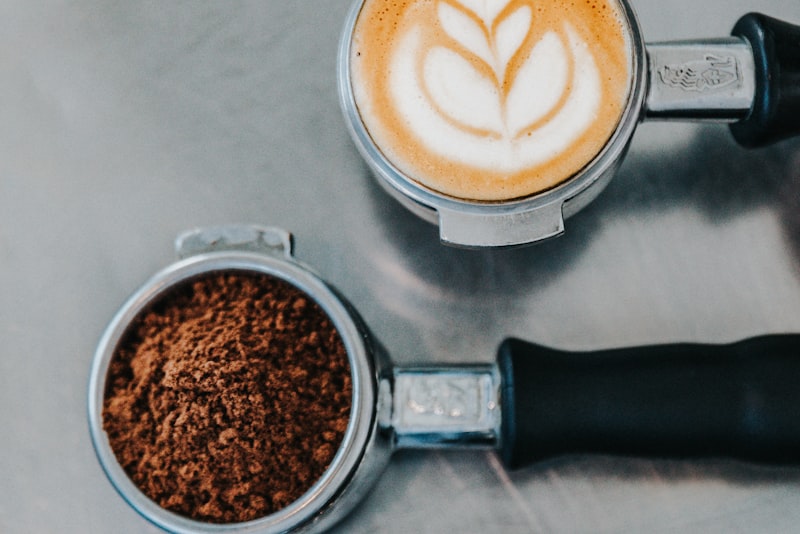
- Espresso machines, which are expensive and demanding to use well
- Fancy temperature-control kettles, until you know you'll use the feature
- Elaborate storage systems, when a simple airtight container does fine
- Multiple brewers, before you've mastered even one
- Anything bought mainly because it looks good on the counter
None of this is forbidden forever. The point is sequencing. Get the fundamentals solid, learn your palate, and then add gear when you can name the specific thing it will improve. Buying to solve a real problem beats buying out of enthusiasm every time.
A budget setup isn't a permanent ceiling — it's a smart starting point. As you brew more, you'll notice what's holding you back. Maybe your hand grinder feels slow when guests visit, so an electric one becomes worth it. Maybe you fall for pour-over and want that precise kettle after all. Let those real needs guide your upgrades rather than a checklist from a shop.
That slow approach saves money twice over. You avoid buying things you don't use, and when you do upgrade, you know exactly what you want because you've felt its absence. A setup built this way fits your actual habits, not someone else's idea of a proper coffee station.
Good coffee, humble gear#
The barrier to great home coffee has never really been money — it's knowing where to put the little you spend. Fresh beans, an even grind, a simple brewer, and hot water at a sensible temperature will beat a careless café cup any day. Start small, learn as you go, and add gear only when it solves a problem you can name. Do that, and your morning cup will be better than the price tag has any right to suggest.