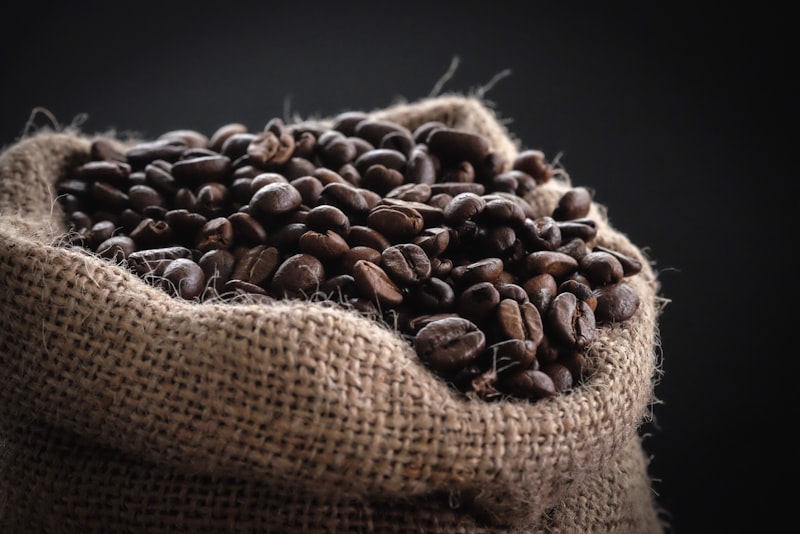
You spent good money on nice beans, and a week later the coffee tastes flat. It happens to everyone, and it usually isn't the beans' fault — it's how they were kept between the bag and the cup. Fresh coffee is fragile in a quiet way, and a few small habits protect it far better than any gadget you can buy.
The good news is that storing beans well costs almost nothing. You don't need a vacuum canister or a special fridge. You need to understand what actually makes coffee go stale, and then keep your beans away from it. That's the whole game.
What actually makes coffee stale#
Four things wear coffee down: air, light, heat, and moisture. Oxygen is the big one. From the moment beans are roasted, they start reacting with the air around them, and the aromatic oils that give coffee its smell and flavor slowly break down. That's why a bag smells incredible the day you open it and merely fine two weeks on.
Light does its own damage, especially direct sunlight, which heats the beans and speeds up that same breakdown. Heat is a problem anywhere — a warm spot on the counter, the cupboard above the oven, the top of the fridge where the motor runs. And moisture is the sneaky one, because coffee is dry and porous and will happily pull humidity out of the air, which dulls flavor and can even encourage mold in the worst cases.
Notice what all four have in common: they're all about the environment, not the calendar. A bean kept cool and sealed stays good far longer than one left open on a sunny windowsill, even if they were roasted the same day. Control the environment and you've done most of the work.
The container that does the job#
The single best upgrade most people can make is moving beans out of their original bag once it's open and into a proper airtight container. Bags with a one-way valve are great for shipping and for the first few days, but every time you reopen the clip you're letting fresh air in and stale air out.
Look for three things in a container:
- Airtight seal — a rubber gasket or a clamp lid that actually locks, not just a loose press-on lid.
- Opaque walls — ceramic, stainless steel, or dark glass, so light never reaches the beans. Clear glass jars look lovely on a shelf but need to live inside a dark cupboard.
- A size that fits your habit — a container roughly matched to how much you buy, so there's less trapped air sitting on top of the beans.
You don't need to spend much. A ceramic canister with a silicone-sealed lid works beautifully, and a plain kitchen storage jar kept in a cupboard does nearly as well. If you want the extra step, containers with a small valve that lets you push the air out are genuinely useful, but they're a refinement, not a requirement.
Store your beans whole and grind only what you need, right before you brew. Ground coffee has vastly more surface area exposed to air, so it goes stale in days rather than weeks. Whole beans are your best natural defense.
Where to keep it#
Once the beans are in a good container, location is simple: somewhere cool, dark, and dry. A regular kitchen cupboard away from the oven and out of the sun is ideal. That's it. You're aiming for stable and unremarkable, not cold.
Resist the urge to keep your everyday beans in the fridge. The fridge is humid, it's full of food smells that coffee readily absorbs, and every time you take the container out, warm air condenses on the cold beans and adds moisture. For coffee you're drinking within a couple of weeks, the fridge does more harm than good.
The counter is fine for a small working amount as long as it's not in direct sun or next to a heat source, and as long as the container is sealed and opaque. Just don't leave the bag open with the top rolled down — that's the fastest way to a dull cup.
The truth about freezing#
Freezing coffee is where the advice gets loud and contradictory, so here's the honest version. Freezing can genuinely preserve beans for the long term, because cold slows the staling reactions right down. The catch is that it only works if you do it properly, and most people don't.
The rule is to freeze once and never refreeze. Divide your beans into small portions — roughly a week's worth each — in airtight, moisture-proof bags or containers, pressing out as much air as you can. Freeze those portions, and when you want one, take it out and let it come fully to room temperature before you open it. Opening a cold container invites condensation straight onto the beans, which is exactly the moisture you're trying to avoid.
Done that way, freezing is a great tool for beans you can't get through quickly, or for stashing a bag of something special. Done casually — one big bag, opened and returned to the freezer daily — it's worse than just keeping them in the cupboard. For most people buying in sensible amounts, freezing is an occasional tactic, not the default.
Buy less, more often#
The most reliable freshness trick isn't storage at all — it's buying smaller. Coffee is best in roughly the first month after roasting, and the flavor is at its liveliest in the couple of weeks after that first rest. Rather than stockpiling a huge bag and watching it fade, buy an amount you'll comfortably finish in two to three weeks.
That habit pairs naturally with paying attention to when your beans were actually roasted, which is one of the most useful skills you can build — you'll find it covered in how to read a coffee bag label. And if you're not sure how much to buy or which beans suit your taste in the first place, how to choose whole bean coffee you'll love is a good place to start.
Keep it simple and your beans will reward you. Get them out of the open bag and into an airtight, opaque container. Park that container somewhere cool, dark, and dry. Grind fresh each time, buy in amounts you'll actually drink, and save the freezer for beans you're truly saving. None of this is fussy, and all of it shows up in the cup — a rounder aroma, more sweetness, and that fresh-roast character lasting well past the day you opened the bag.