Choosing coffee can feel like standing in front of a wall of bags in a language you don't quite speak. There are countries you can't place, words like "natural" and "washed," and prices all over the map. It's easy to grab whatever's familiar and leave, and easy to keep being mildly disappointed.
It doesn't have to be that way. Picking beans you'll genuinely love is a learnable skill, and it comes down to a handful of decisions made in the right order. Get those right and the coffee at home starts to taste like the coffee you were hoping for.
Start with whole beans#
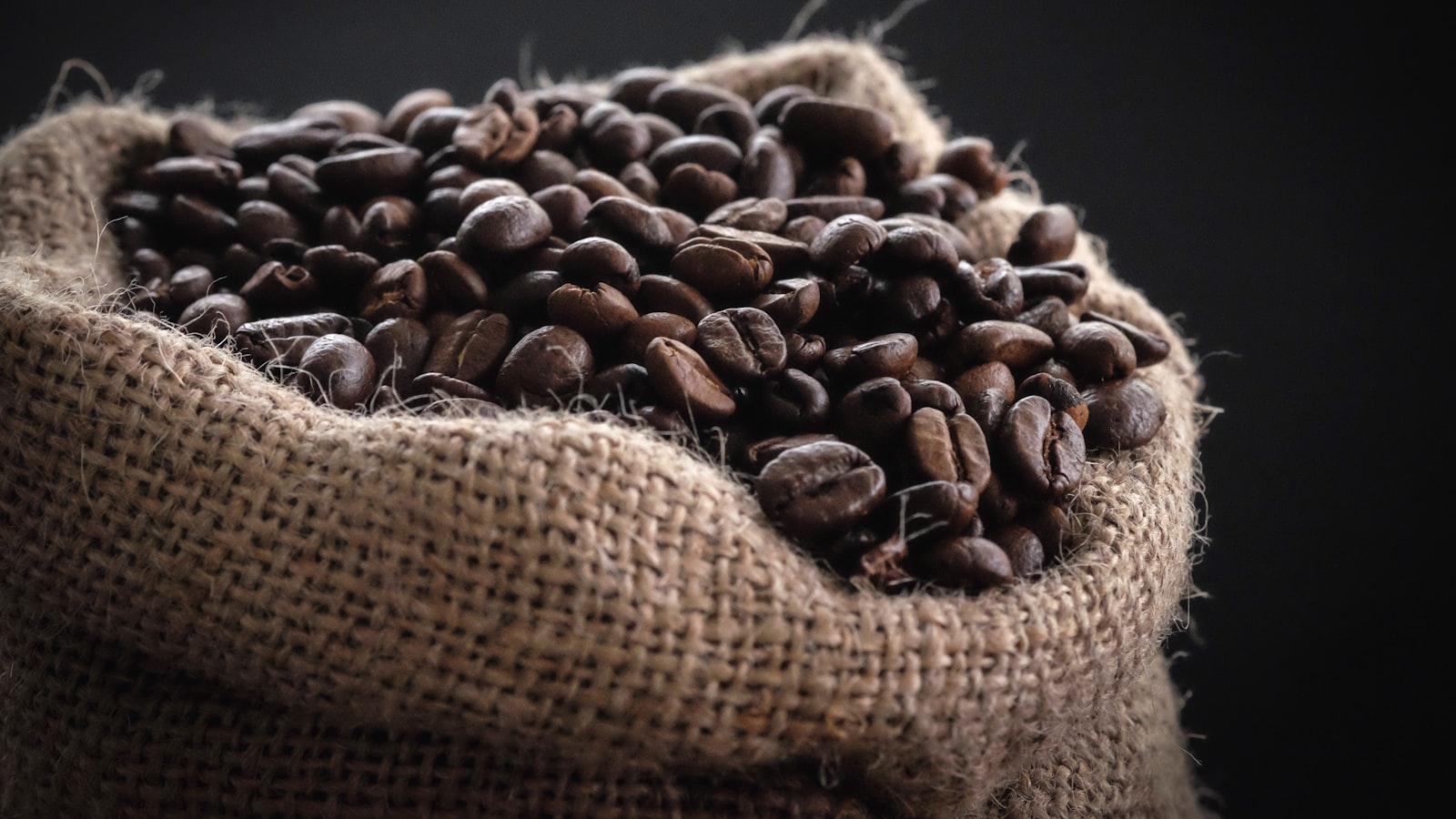
The first decision is the easiest and the most important: buy whole beans, not pre-ground. Coffee begins losing its aromatics the moment it's ground, because all that fresh surface area meets the air at once. Pre-ground coffee is often stale before you open it, no matter how good the beans were.
Whole beans let you grind right before you brew, which is the single biggest upgrade most people can make to their cup — bigger than a better brewer, bigger than fancier beans. It does mean owning a grinder, ideally a burr grinder for even grounds, since even grinding is what lets a grind size actually mean anything. If you're not ready for a grinder yet, that's fine, but know that whole beans are where real freshness lives.
Buy from somewhere that roasts#
Where you buy matters as much as what you buy. Beans from a dedicated roaster — a local one, or a good online roaster that ships fresh — are usually roasted recently and labeled with a roast date, which is exactly what you want. A big supermarket bag, by contrast, may have been sitting in a warehouse and on a shelf for months, and often carries only a distant best-before date.
You don't have to spend a lot to eat well here. A local café that roasts, a farmers' market stall, a subscription from an online roaster — all of these tend to give you fresher, more carefully sourced coffee than the mass-market aisle, often for a similar price per cup once you account for how much better it tastes. A subscription is especially handy if you find yourself running out and defaulting back to whatever's on the supermarket shelf; having fresh beans arrive on a rhythm keeps your standard from slipping without any effort on your part.
Fresh beans from a modest roaster will nearly always beat expensive beans that have gone stale. Chase freshness and honest sourcing before you chase prestige or price.
When you do find a roaster you like, they become a resource. Many are happy to recommend something based on what you tell them you enjoy, which shortcuts a lot of trial and error.
Match the beans to your taste#
This is where reading the bag pays off. The label carries clues to how a coffee will taste, and matching those clues to flavors you already like is how you stop buying blind. The full breakdown lives in how to read a coffee bag label, but here's the shortlist to check:
- Origin — the growing region hints at character. East African coffees often lean bright and fruity; many Central and South American coffees are balanced and chocolatey; some Indonesian coffees are heavy and earthy.
- Roast level — light for vivid, distinct, origin-forward flavor; dark for bold, smoky richness; medium for easygoing balance. The full picture is in coffee roast levels explained.
- Process — washed for a cleaner, brighter cup; natural for heavier, fruitier sweetness.
- Tasting notes — words like "cocoa, almond" versus "blueberry, floral" set very different expectations. Pick notes that sound like flavors you enjoy.
- Roast date — the fresher, the better. Recent beats everything else here.
You won't nail it every time, and that's part of the fun. Think of your first few bags as scouting: note what you liked and what you didn't, and let each purchase inform the next.
Single origin or blend#
You'll face a fork between single origin and blend, and neither answer is wrong. A single origin comes from one place and shows off that specific character — it's the choice for tasting what a region or farm actually tastes like, and it's how you discover new flavors. A blend mixes beans from several origins to build a consistent, balanced profile the roaster is aiming for, which makes blends dependable everyday drinkers and the usual pick for espresso.
If you're curious and like variety, lean toward single origins and try a new one each time. If you want one reliable bag you can drink every morning without thinking, a good blend is your friend. Plenty of people keep both around — a house blend for weekdays and a single origin to explore on weekends.
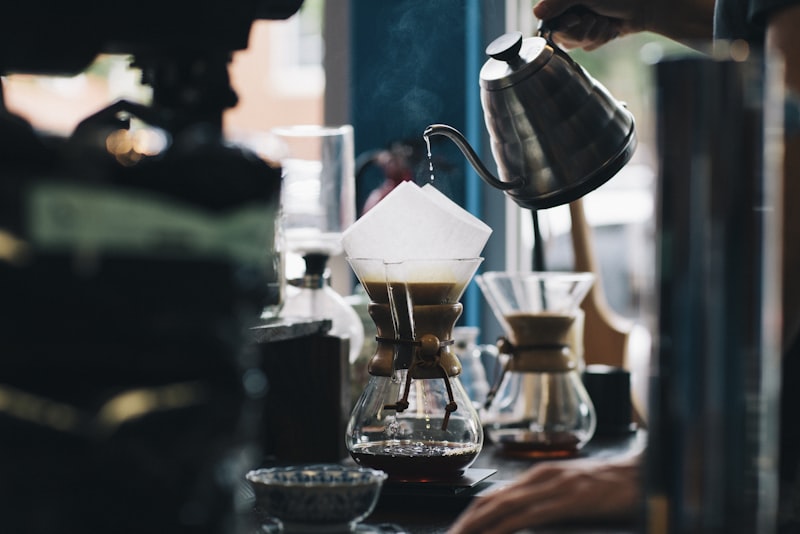
It's also worth choosing with your brewing in mind. If you drink mostly milky espresso-style drinks, a balanced blend or a medium-to-dark roast tends to cut through and taste great with milk. If you brew pour-over or another filter method, a lighter single origin lets that method show off the clarity and brightness it's good at. You don't have to be rigid about this — good beans taste good many ways — but a rough match between what you buy and how you brew stacks the odds in your favor and saves a bit of trial and error.
Buy the right amount#
The last decision quietly makes the biggest difference to how your coffee tastes day to day: buy less, more often. Coffee is at its best in roughly the first month after roasting, so a huge bag is a false economy — the last third of it will taste tired no matter how you store it.
Aim for an amount you'll finish in about two to three weeks. For most households that's a smaller bag than instinct suggests, and it means every cup you make comes from beans near their peak. Store what you've got well — an airtight, opaque container somewhere cool and dark, away from heat and sunlight — and you've closed the loop from shelf to cup.
Put the pieces together and choosing coffee stops being a gamble. Buy whole beans from someone who roasts, read the label for origin, roast, and process that match what you like, pick single origin or blend to suit your mood, and buy small enough to drink it fresh. Do that a few times and you'll build an instinct for the bags that suit you — and shopping for coffee turns from a chore into one of the small pleasures of drinking it.