Loose-leaf tea has a reputation for being fussy or expensive, and it's neither. It's simply tea that hasn't been crushed into powder and stuffed into a bag, and once you've had a cup made from proper whole leaves, the difference is hard to unsee. The trouble is knowing how to pick good leaves in the first place.
You don't need to become a connoisseur or memorize a hundred varieties. A few reliable habits — knowing what quality looks like, buying from the right places, and matching a tea to what you already like — will steer you to leaves worth drinking far more often than not.
Why whole leaf beats the bag#
The biggest quality gap in tea isn't between brands — it's between whole leaves and the broken dust that fills most everyday tea bags. That dust, sometimes called fannings, has enormous surface area, so it brews fast and strong but also stales fast and tends toward flat bitterness. It's built for speed and consistency, not for flavor.
Whole leaves brew more slowly and gently, releasing a rounder, more layered flavor with real aroma behind it. They also let you see what you're getting, which the bag hides completely. And there's a practical bonus: good whole leaves can often be steeped more than once, so a spoonful stretches further than it first appears.
Going loose does mean a little gear — an infuser, a basket, or a small teapot — but nothing costly. The step up in the cup is well worth the tiny bit of extra effort, and it opens the door to teas the bagged aisle never carries.
You may run into grading terms on some packaging, especially with black teas — letters like OP or FOP, sometimes strung into longer abbreviations. These grades mostly describe leaf size and appearance rather than a quality score, so don't let them intimidate you or lead you to overpay. A high-sounding grade doesn't guarantee a tea you'll love, and plenty of wonderful teas carry no grade at all. Use them as loose information, and lean far more on what the leaves look like, how they smell, and whether the seller seems to know and care about what they're selling.
Reading quality by look and smell#
You can judge a lot about a tea before you ever brew it, just by looking closely and taking a good sniff. Your eyes and nose are better tools here than any label.
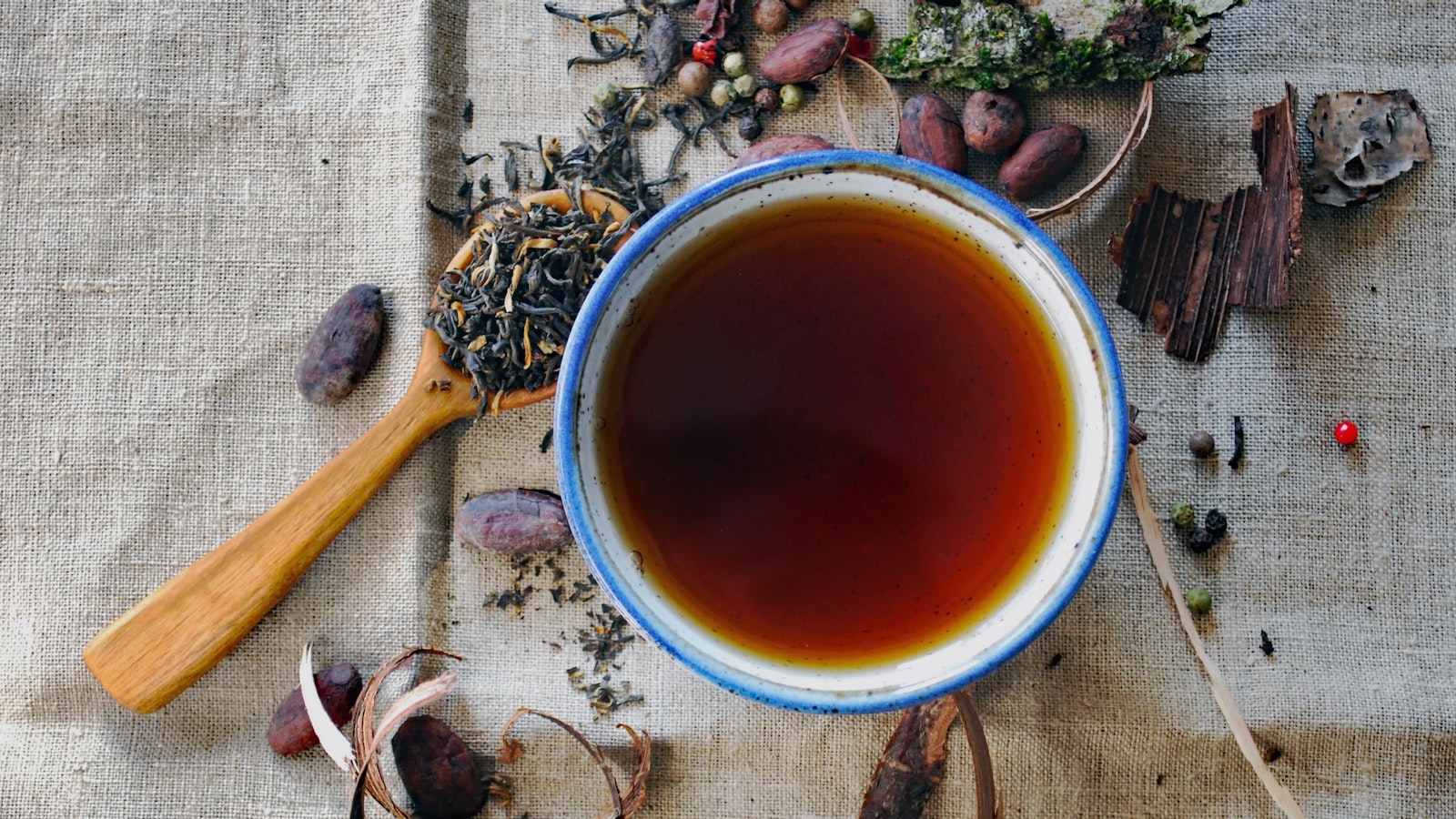
- Look at the leaves. Whole or large, intact pieces suggest careful handling; a bag of tiny broken fragments and powder suggests the opposite. Tightly rolled or twisted leaves that look deliberate are a good sign.
- Check the color. The leaves should look vivid and healthy for their type — greens lively rather than dull and brownish, blacks rich rather than grey and faded. Lifeless color often means old or poorly stored tea.
- Smell it. Fresh tea has a clear, inviting aroma. If it smells faint, dusty, or of nothing at all, its flavor has likely already faded. Dampness or a musty note is a warning sign.
- Watch for excess dust. A little breakage is normal, but a pile of powder at the bottom of the pack points to lower grade or rough handling.
If you can, buy from a shop that lets you see and smell the tea before committing. A tea that smells wonderful dry almost always brews into something you'll enjoy, while one that smells of nothing rarely surprises you in the cup.
None of this requires expertise — it's just paying attention. A minute of looking and smelling tells you more than most packaging ever will.
Where to buy#
Freshness and turnover matter enormously with tea, so where you shop shapes what you get. A dedicated tea shop, a good online tea seller, or a market stall that clearly moves through its stock will generally offer fresher, better-kept leaves than a dusty box that's sat in a general store for a year.
Turnover is the quiet key. Even excellent tea fades with time, so a busy seller whose stock keeps moving is more likely to hand you leaves near their prime. Buy in modest amounts, too — a smaller quantity you'll drink within a few months beats a bulk bargain that goes flat before you reach the bottom. A good seller will also tell you when a tea arrived or was harvested, which is worth asking about, especially for delicate greens.
Wherever you buy, the freshness you pay for only lasts if you look after it at home, and delicate teas fade quickly once opened. Keeping leaves in an airtight, opaque tin away from light and strong smells is the other half of the job — I've laid out the whole routine in how to store loose-leaf tea properly.
Matching a tea to your taste#
The best tea for you is the one you enjoy drinking, so let your own preferences lead. Tea types give you a broad map. Green teas tend to be fresh, grassy, or vegetal, sometimes with a gentle sweetness. Black teas are fuller, maltier, and bolder, standing up well to milk. Oolongs sit between the two and range widely, from light and floral to dark and toasty. White teas are the most delicate, subtle and softly sweet. Herbal blends aren't true tea at all but offer caffeine-free variety.
Origin and style narrow it further, much as they do with coffee. A brisk breakfast black drinks very differently from a floral, high-grown oolong, and a grassy Japanese green is a world away from a smoky one. If you already know you love bright, fresh flavors, start with greens and lighter oolongs; if you want something robust and warming, lean into blacks. Don't be afraid to buy small samples of a few types and simply notice which ones you keep reaching for.
Keep caffeine in mind too, since it shapes when a tea suits you. Black teas and many oolongs carry more of a lift and make good morning cups, while a gentle white or an herbal blend sits well in the evening. When you find a whole-leaf tea you like, remember to try a second steep before discarding the leaves — many good teas open up and shift character on the second brew, which stretches your money and teaches you something about the tea at the same time.
Choosing tea well comes down to a short, repeatable routine: favor whole leaves over dust, judge quality with your eyes and nose, buy from sellers with real turnover, and match the type to flavors you already like. Do that a handful of times and you'll build a personal shortlist of teas you trust — and the daily cup stops being an afterthought and becomes one of the small, dependable pleasures of the day.