Good coffee at home has a reputation for being either fussy or disappointing, and it doesn't have to be either. Most of the distance between a great café cup and the mug on your counter comes down to a few small choices, not a wall of expensive machines or years spent working behind a bar. Tighten up those choices and the improvement shows in the very next cup.
This is the foundation everything else sits on: fresh beans, a suitable grind, a sensible ratio, water that tastes clean, and a bit of attention while you pour. These fundamentals carry across methods, so once you have them you can make a solid cup with a pour-over, a French press, or almost anything else. What follows is less a set of rules than a handful of habits worth keeping.
Start with beans that are actually fresh#
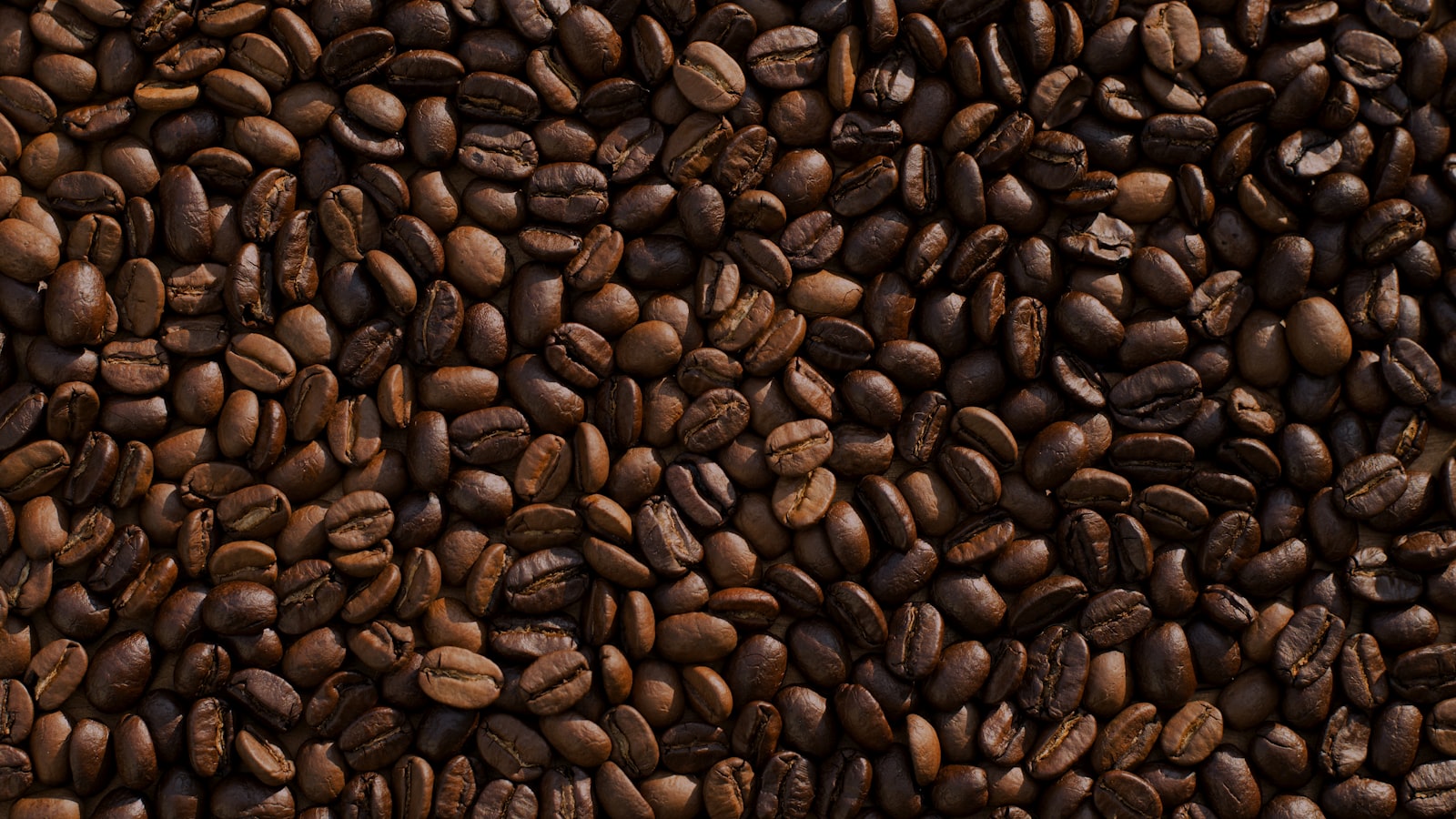
Coffee is food, and like most food it's best soon after it's made. Roasted beans are at their liveliest in the first few weeks after roasting and fade steadily after that — the aromas that make coffee smell like coffee are the first to disappear. A bag that's been sitting on a shelf for eight months will still brew something drinkable, but it tastes flat and faintly papery no matter how careful you are with everything else.
So the single highest-return change most people can make is buying fresher beans in smaller amounts. Look for a roast date on the bag rather than a distant "best by" date, and try to use the beans within a month or so of that date. Buy whole beans instead of pre-ground when you can; ground coffee goes stale far faster because so much more surface is exposed to air. Store the bag somewhere cool and dark, sealed up, and then mostly leave it alone. The fancy canisters and freezer debates matter far less than the simple habit of buying less, more often.
Grind right before you brew#
If fresh beans are the biggest win, grinding them just before brewing is a close second. Ground coffee starts shedding aroma within minutes, so grinding on the spot keeps the good stuff headed for your cup. It also lets you match the grind to your method, which turns out to matter more than almost anything else you do.
Grind size controls how quickly water pulls flavour from the coffee. Too coarse and the water rushes through, leaving a thin, sour, underwhelming cup. Too fine and the water gets stuck and overworks the grounds, giving you something bitter and harsh. Each method has a rough sweet spot:
- Coarse, like sea salt, for French press and cold brew
- Medium, like table salt, for drip and most pour-overs
- Fine, like powdered sugar, for espresso
You don't need a laboratory to find these. Start in the right range for your method, taste the result, and adjust one notch at a time. A burr grinder — hand or electric — produces far more even grounds than a spinning-blade grinder, and evenness is what keeps a cup balanced rather than sour and bitter at the same time. If you plan to make one upgrade beyond fresh beans, a decent grinder is usually the one to make.
Measure your coffee and water#
Eyeballing your amounts is the quiet reason a lot of home cups come out weak one morning and muddy the next. You don't have to be precise to be consistent; you just have to measure the same way each time, so a good cup teaches you something instead of vanishing.
A reliable starting point is roughly two tablespoons of coffee for every six ounces of water, then adjust to taste. A small kitchen scale makes this easier and far more repeatable than spoons, because beans vary in size and density from bag to bag. Weigh your coffee, note your water, and if the result comes out too strong or too weak, change one thing and try again tomorrow.
The point of measuring isn't fussiness. It's memory. When you know exactly what you did, a great cup becomes something you can make again tomorrow instead of a happy accident you can't repeat.
Don't ignore the water#
Coffee is almost entirely water, so the water you use is not a background detail. If your tap water tastes of chlorine or hard minerals straight from the glass, that flavour rides right into the cup. You'll notice it most in lighter, more delicate coffees, where there's nowhere for an off-taste to hide.
You don't need anything exotic to fix this. Filtered water — from a jug filter or a filter on the tap — solves the problem for most people and costs very little. Temperature matters too. Water just off the boil, rested for maybe thirty seconds, sits in the range that pulls flavour out cleanly. Water poured straight from a rolling boil tends to scorch the grounds slightly and nudge the cup toward bitterness. If you own a kettle you can set, somewhere around 90 to 96 degrees Celsius is a safe home range for nearly everything.
Brew with a little attention, then taste#
The last fundamental isn't a number, it's presence. The best home brewers usually aren't the ones with the most gear; they're the ones who stay with the brew for the two or three minutes it takes, then actually taste what they made with a curious, slightly critical palate.
A few habits pay off across every method. Rinse paper filters with hot water before you brew, so the coffee doesn't pick up a cardboard note. Wet all the grounds evenly rather than dumping water down one side. And when the cup is done, ask one simple question before you reach for milk and sugar: is it sour, or is it bitter? Sour, thin coffee usually wants a finer grind, a little more coffee, or hotter water. Bitter, harsh coffee usually wants the opposite. That single question, asked honestly a few mornings in a row, will teach you more than any guide ever could.
Building from here#
None of this asks you to become a hobbyist. Buy fresher beans, grind them just before you brew, measure your coffee and water, use clean water off the boil, and taste with intention — that alone lifts almost any cup you make. Everything else in home coffee is a variation on these five ideas, dressed up in different equipment.
Once the fundamentals feel natural, the enjoyable part begins: choosing a method that suits your mornings and your kitchen. If you like a clean, bright cup and don't mind a few minutes of hands-on pouring, start with a pour-over. If you'd rather set it going and walk away, a French press is forgiving and full-bodied. Either way the fundamentals travel with you, and your next cup is better for them.